Nasal Reconstruction

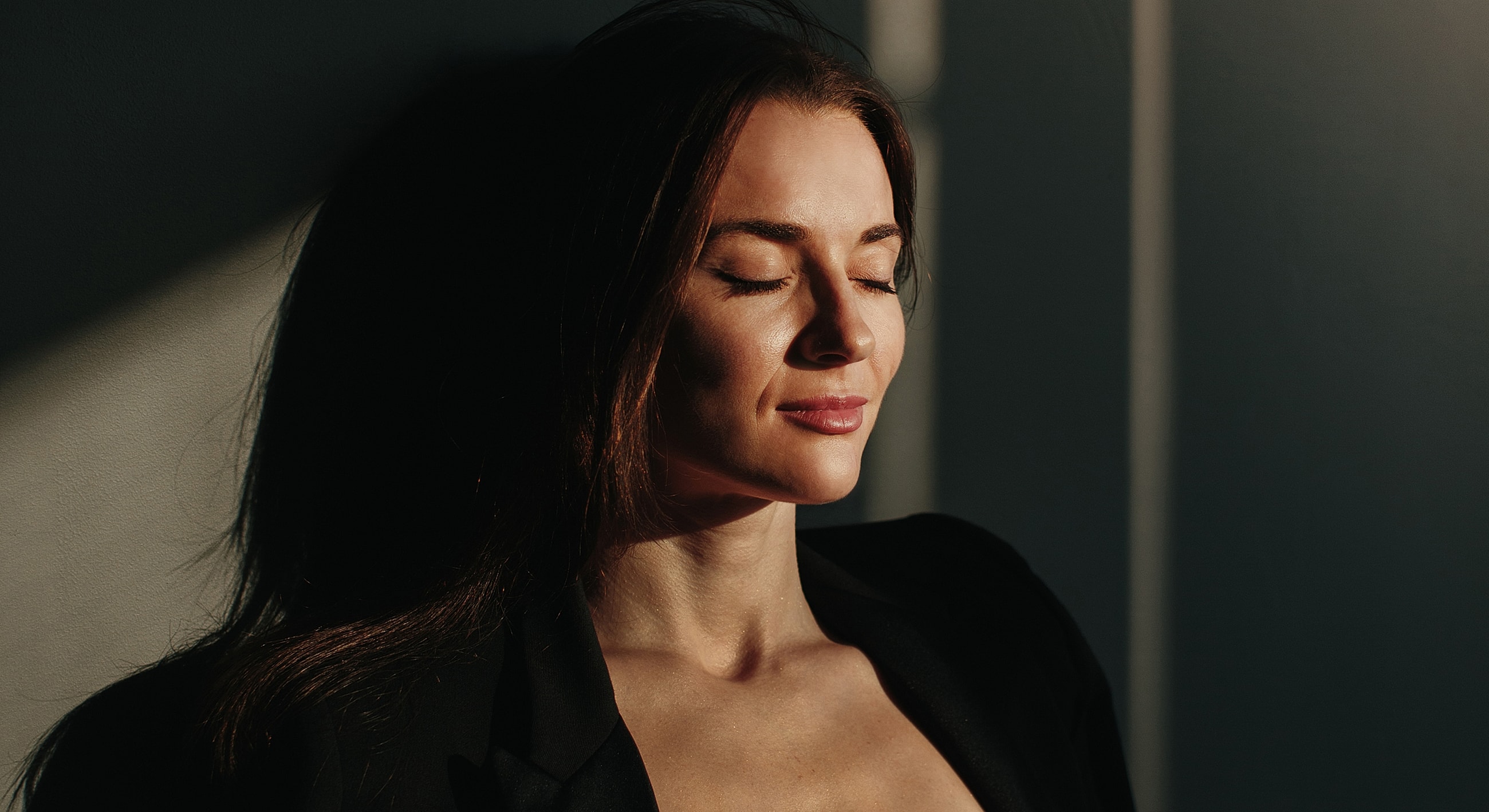
At our office in NYC Nasal Reconstruction is designed to repair structural damage, restore airway function, and rebuild harmonious facial contours after injury, skin cancer excision, or complications from a prior surgery. At Hudson Plastic Surgery, double board-certified plastic surgeon Dr. Brad Gandolfi combines rigorous reconstructive technique with an intuitive aesthetic eye. Supported by our dedicated surgical team in Englewood, NJ, and New York City, Dr. Gandolfi ensures that every patient feels heard, cared for, and deeply supported throughout their restorative journey.

Restores nasal symmetry, reconstructs facial tissue, and improves airway breathing.
2-4-hour outpatient procedure tailored to individual structural requirements.
1 to 2 weeks of initial rest, with swelling gradually fading over several weeks.
Improved breathing function, subtle aesthetic restoration, and minimal visible scarring.

Nasal Reconstruction in NYC focuses on repairing, reshaping, and rebuilding the nose's cartilage, bone, and soft tissue, along with surrounding structures. Unlike purely cosmetic rhinoplasty, the primary objective is structural restoration—correcting a severely deviated septum, repairing traumatic fractures, or rebuilding tissue lost to Mohs skin cancer surgery.
Patients may benefit from a range of techniques, depending on their needs, from septoplasty and cartilage grafting to complex local tissue flaps. Ultimately, the procedure restores crucial breathing function while gracefully recreating a balanced, natural appearance.
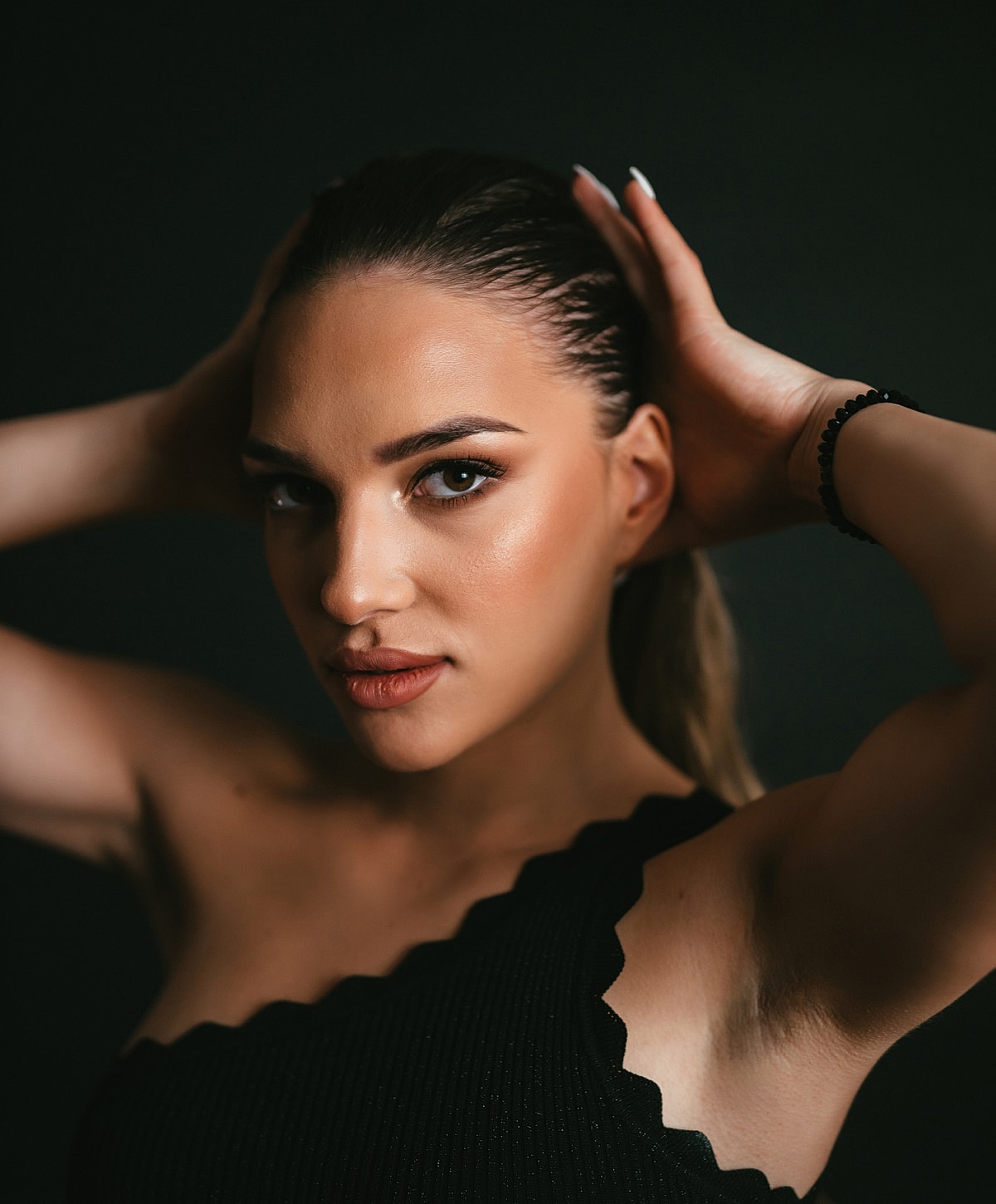
Every reconstructive plan is individualized. We will always educate you about your options and communicate openly about what surgery can and cannot achieve.
With nasal reconstruction NYC patients at Hudson Plastic Surgery have a procedure designed to address both how the nose works and how it fits your face. Depending on your needs, this may involve rebuilding internal support so the nose stays open when you breathe, smoothing contour irregularities after trauma or prior surgery, or adjusting internal structures that affect airflow.
Facial reconstruction can include repair after skin cancer removal, revision of scars that affect your comfort or confidence, and addressing contour changes from injury. In every case, proportion and balance guide our decisions. Sometimes reconstructive work overlaps with cosmetic goals. We can explain how functional needs and aesthetic goals may intersect, as well as how these objectives affect insurance coverage for your procedure
Specialized reconstructive care is ideal if you experience obstructed breathing due to structural nasal defects, have sustained facial trauma, or require structural rebuilding after skin cancer removal. A personal consultation with Dr. Gandolfi will determine the safest, most effective approach for your specific goals.
The primary benefits include clearer, unrestricted nasal breathing, improved facial symmetry, enhanced structural integrity, and refined contours that blend naturally with your other features.
Most patients return to light daily routines within 7 to 10 days, with internal splints typically removed after one week. Minor swelling and bruising around the nose and eyes subside substantially over the first two weeks, while the tissue continues to settle into its final position for up to one year.
You often feel improvements in breathing as soon as the initial swelling subsides and the internal splints are removed. You'll notice visual improvements within two weeks, with subtle refinements continuing to mature over 6 to 12 months as the tissues fully settle.